


This year has been especially transformative for Lenny.
I have sat down to write this update more times than I can count. Every time I started, I had to update the numbers, the goals, the product updates, or the way I was explaining what we were seeing. Things were moving fast enough that any update felt stale pretty quickly.
At the beginning of 2025, I had shared that Lenny was supporting 210,000 youth, and we set a goal to reach 500,000 students. At the time, that felt ambitious. It meant more than doubling our reach.
By the end of 2025, Lenny had reached more than 1,000,000 students.
Then in early 2026 the pace accelerated. The number of active studio sessions (people creating with Lenny) grew 4x from January to March. At some point, we stopped monitoring how many students were being reached through the educators, clinicians, and practitioners using Lenny. That number still matters, of course. But we were also trying to keep up with new use cases, rebuild the studio experience, fix the things that were breaking, and understand the growing use cases for how people were applying Lenny in practice.
Now that the school year is ending, I want to pause and reflect. I also want to share where we are going next, because I think we are entering a much bigger chapter for Lenny.
(Small side note: this newsletter is now 3,000+ readers, which still surprises me because I do not really market it anywhere. Thank you for reading, forwarding, replying, and staying close to the work.)
When we started Lenny, we had a simple belief: educators need the right resource at the right time. That belief still sits at the center of Lenny. This year made us realize that the problem space is much bigger.
I think the step change for Lenny is coming from three things.
First, educators and practitioners have shown us that they need Lenny to create materials far beyond traditional lesson plans.
Second, recent advances in AI have changed what is possible in the product itself. Things that felt out of reach even a year ago are now becoming real parts of the roadmap.
Third, there is still a major gap in education: a system that builds on top of educator expertise, improves learning outcomes, and helps the best practices circulate instead of staying trapped in one classroom, one office, one binder, or one person’s head.
The product this moment calls for is a working partner for anyone helping someone learn, build a skill, or address a challenge.
A co-teacher, co-counselor, co-instructor, co-coach, depending on the work.
And Lenny is becoming exactly that.
Moreover, Lenny is poised to get better as more practitioners (educators, clinicians, etc.) use the tool. If an educator creates a strong intervention plan, edits it, uses it, and shares it, that knowledge becomes part of the platform. The next person facing a similar problem should not have to start from zero.
Over time, using Lenny will mean borrowing from the collective knowledge of thousands of educators, counselors, specialists, and practitioners who have worked through similar problems with real students, real constraints, and real goals.
To keep moving toward that, we are focusing on three major updates this summer.
1. You will be able to turn one idea into a complete learning experience
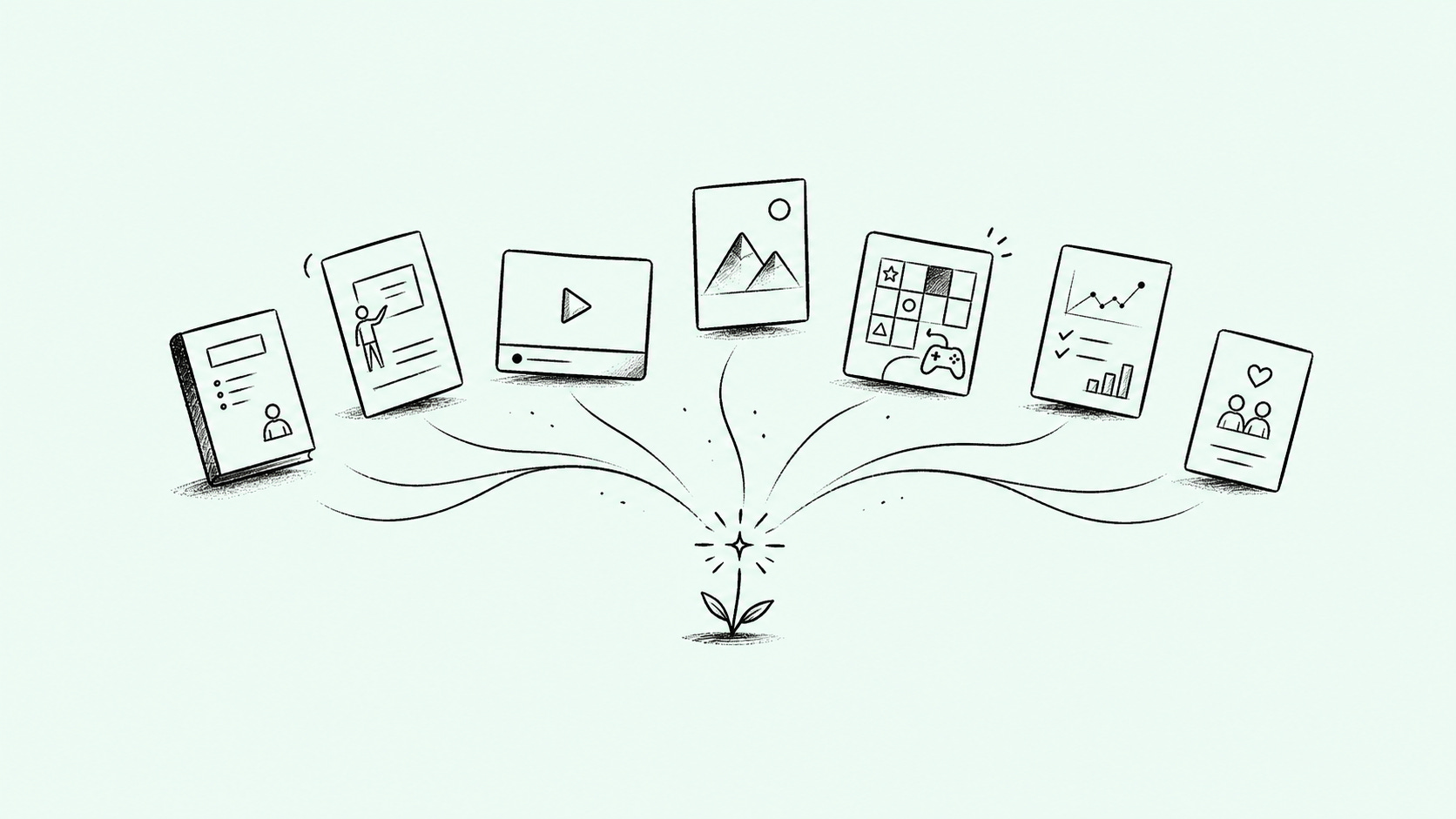
Today, many people come to Lenny for a lesson plan, worksheet, activity, or support.
The next version of Lenny Studio is being built for something bigger: you should be able to start with a student need, standard, behavior challenge, protocol, or rough idea, and build the full set of materials around it.
That might mean the student-facing activity, visual support, adapted version, digital assessment, family-facing note, and follow-up practice. It might mean turning a single intervention idea into something that is actually ready to use with a student or team.
Lenny should help you move from “I know what I need” to “I have every thing I need to actually do it.”
2. You will be able to plan resources with expert-team-level guidance
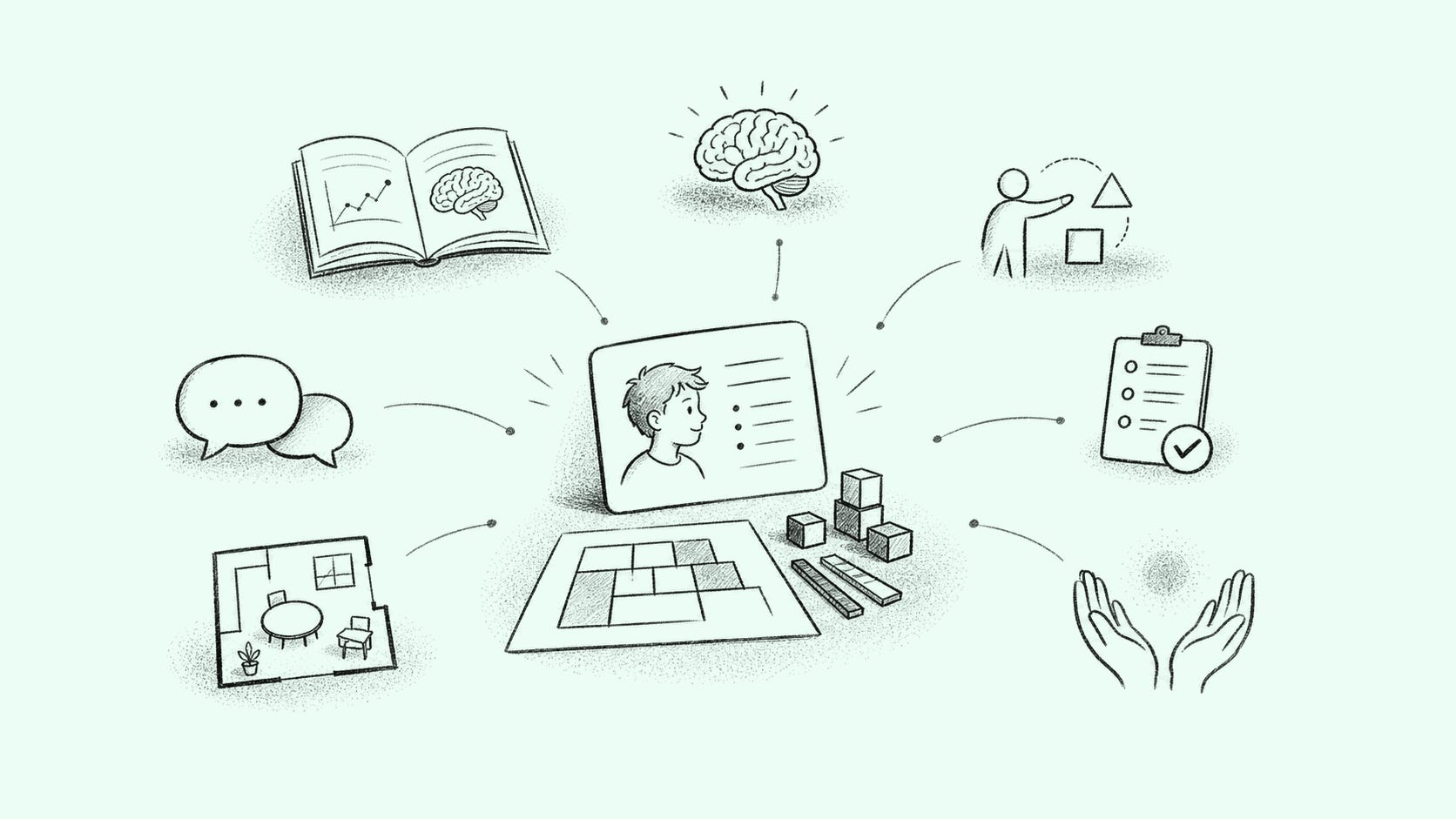
A lot of people already use Lenny for complex student needs: IEP support, intervention, behavior plans, counseling activities, differentiated instruction, executive functioning, and skill-building.
This summer, we are elevating that experience so the planning feels much more thorough.
For the moments where the situation is more complicated, Lenny will help you think across the right angles before anything gets created.
If you are helping an autistic student learn math while also supporting executive functioning, Lenny will help you think through learning science, math pedagogy, special education, Universal Design for Learning, executive function supports, developmental psychology, communication needs, behavior context, and what will actually work in the classroom.
That is the goal: Lenny will feel less like one assistant giving you an answer, and more like an expert team helping you plan the right support.
It will ask better questions, gather better context, cite the research and frameworks it is drawing from, and help you move from “this student needs something specific” to a resource that is thoughtful, individualized, and immediately usable.
This matters because not every educator has the same training, time, or support around them.
Lenny will help raise the quality of what gets created while also helping people build judgment over time, whether you are a new teacher, an experienced specialist, a counselor, a clinician, or a school leader trying to support a team.
3. Organizations will be able to turn their expertise into shared, intelligent systems
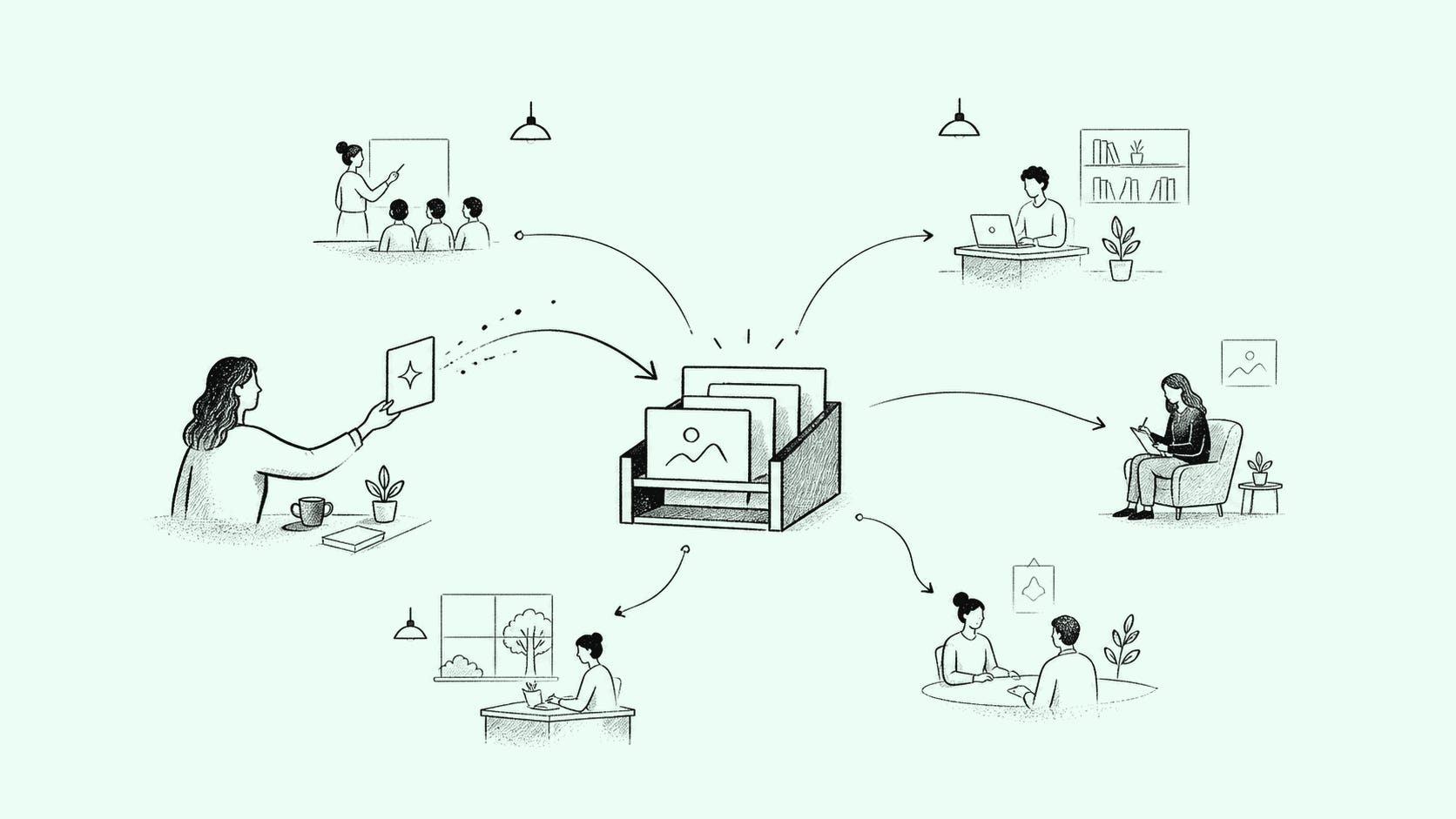
Since the beginning, Lenny has been used by the people closest to the work: educators, clinicians, counselors, specialists, interventionists, and support staff.
Now we are building more deeply for the organizations around them.
A school or organization has so much knowledge already sitting across curriculum, instructional vision, safety protocols, restorative practices, behavior guidance, professional development, intervention approaches, and the judgment of the people doing the work every day.
Lenny can help turn that knowledge into a shared system the whole team can use.
That starts with shared libraries, stronger curriculum hosting, training materials, rollout support, and tools that help leaders create more consistency without making everything feel rigid or top-down.
Then it becomes more intelligent.
Once the work is in one place, Lenny can help leaders see patterns: where standards are being applied consistently, where teams are recreating the same materials, which supports are being used, where gaps are showing up, and where the strongest practices are emerging.
For a teacher, Lenny can become a co-teacher. For a counselor, a co-counselor. For a curriculum director, specialist, or administrator, Lenny can become a kind of co-leader: helping translate an organization’s expertise into better materials, clearer guidance, stronger implementation, and more useful insight.
The goal is for the best work inside an organization to spread faster, and for leaders to have a clearer sense of where to focus their efforts.
There is one more piece we are thinking about carefully.
Lenny has grown beyond the shape we first imagined for it. And if we want it to keep pace with educators, district needs, and new technology, we have to be honest about what that takes — not just in the product, but in how we structure the environment around it.
How we build. How we support schools. How we train teams. How we make decisions. How we give Lenny enough room to become what this moment is asking from us.
For educators, practitioners, and schools using Lenny today, the message is simple: Lenny is getting a major upgrade so it can help you create stronger materials, support more students, and deliver instruction with more clarity and consistency.
Thank you to every educator, counselor, specialist, administrator, partner, and supporter who shaped Lenny this year.
You trusted us with real work. You showed us where the need is. You pushed us to build something more useful, more practical, and more worthy of the students you serve.
So that is what we are carrying forward: a bigger product, a bigger responsibility, and a clearer sense of what Lenny can become.
The best version of Lenny is still ahead of us, and we're building it now.