

Learning after the bell rings
How community spaces—from YMCAs to Boys & Girls Clubs—are becoming classrooms that develop to the whole child.

At 3:07 p.m. the dismissal bell in Framingham, Massachusetts, releases a wave of energy.
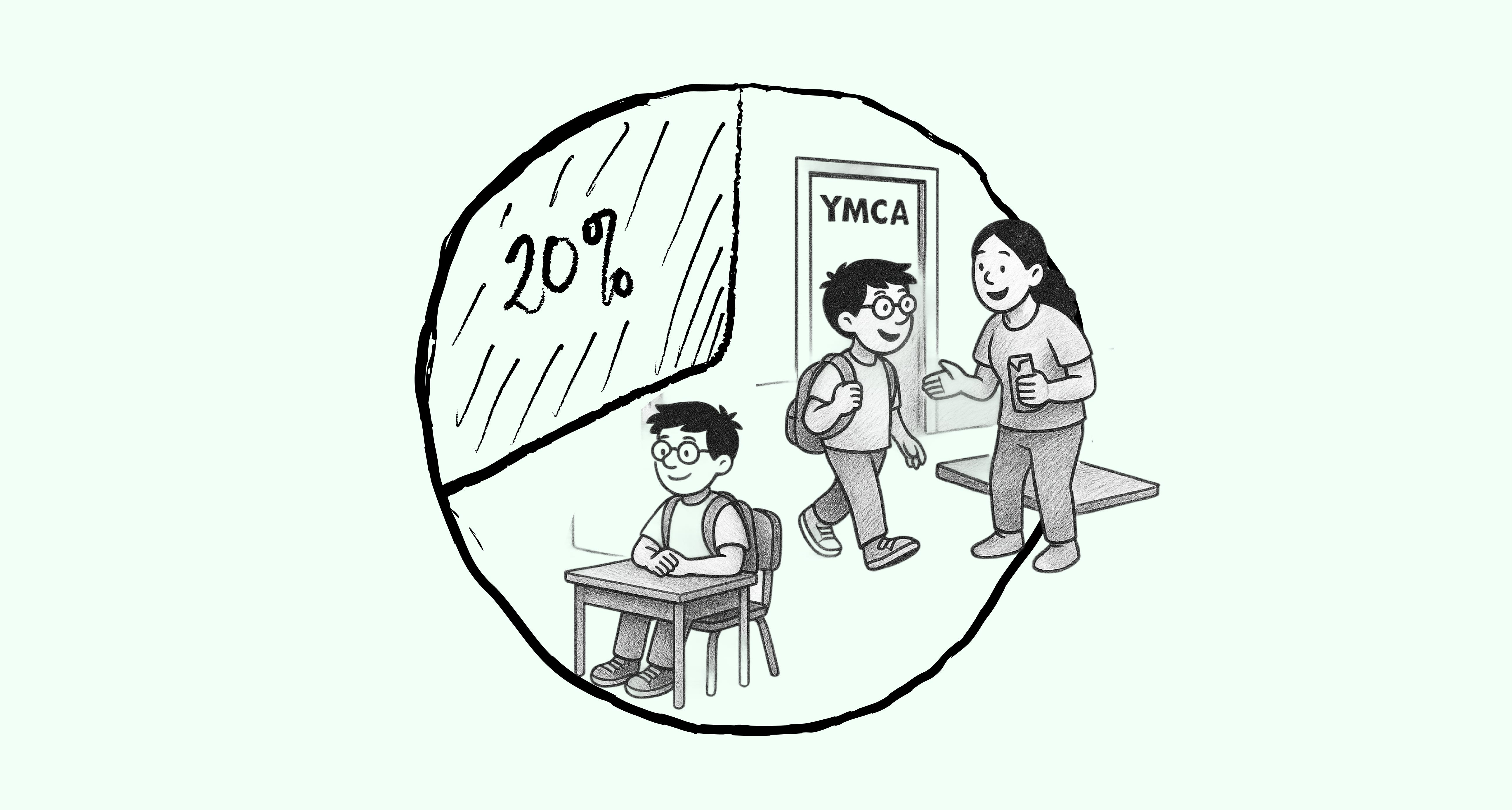
Nine-year-old Luis grabs his backpack, hops a short bus ride, and walks into his second classroom: the YMCA gym.
Coach Tasha hands him a snack, asks about the math test he fretted over all week, then guides his group through drills that double as breathing practice.
Luis never calls the Y “school,” yet by dinner he’s practiced:
staying calm during a timed relay
naming worries while dribbling a ball
cheering for yesterday’s “opposite-team” classmate
Moments like these slip past district dashboards. Still, they matter.
Children spend close to 80 percent of their waking hours away from school. Where they land—and who meets them there—shapes everything.
When coaches and camp counselors become lesson designers
MetroWest YMCA serves about 25,000 children and families each year across various towns in Massachusetts. Staff wanted to weave social-emotional skills into those settings, but pre-packaged curricula felt too rigid for their needs.
They asked if Lenny could help them write their own five-minute games, reflection prompts, and take-home guides. Earlier this spring, the Lenny team hosted a workshop session where we trained their staff how to use Lenny within their programming.
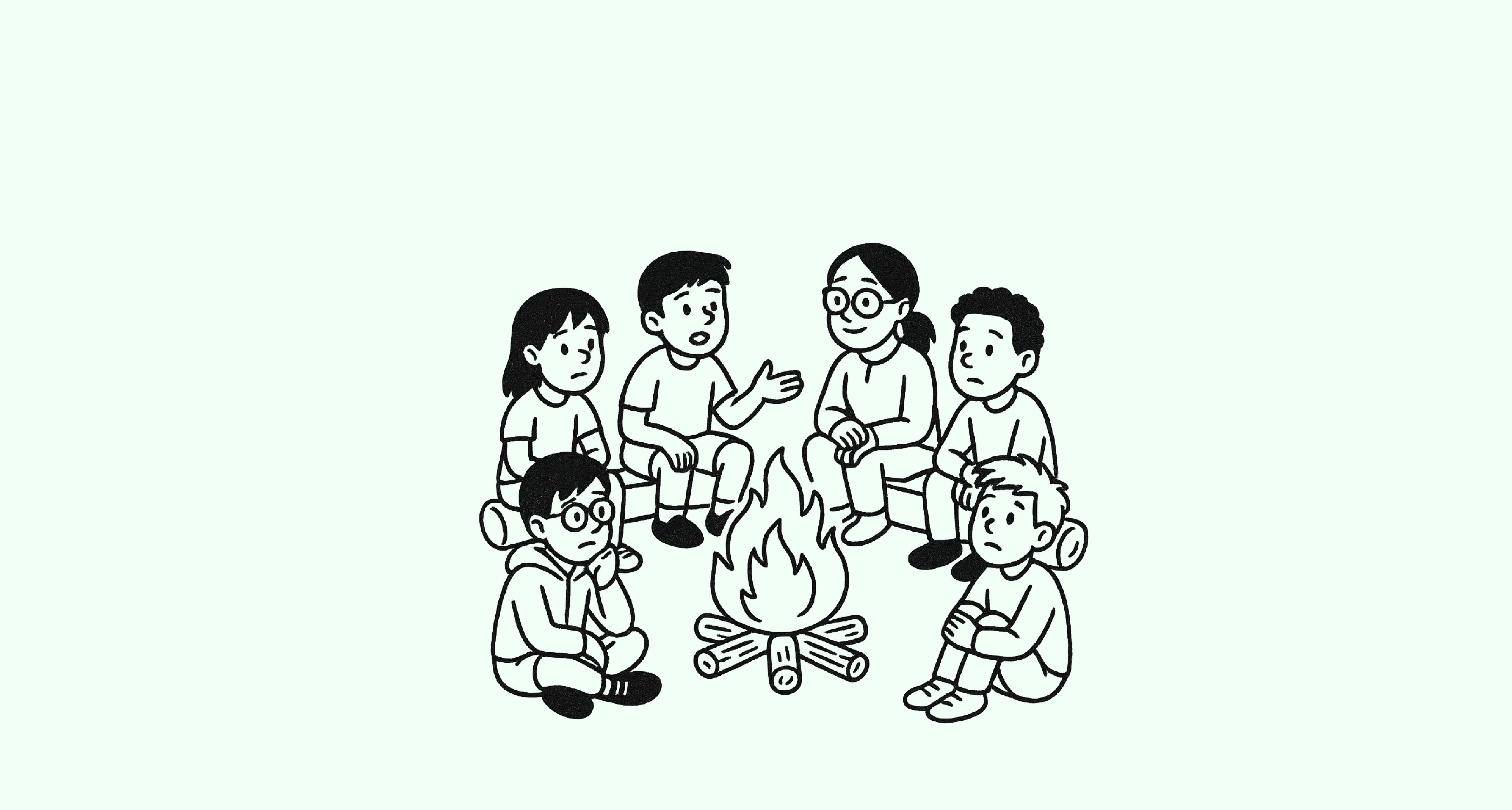
Now a counselor types, “twelve-year-olds around a campfire, talking about nerves,” and prints an activity that fits the evening schedule— all within minutes.
Elsewhere in Tennessee, Boys & Girls clubhouses juggle homework help, rec leagues, and first-job coaching.
This past year, Boys & Girls Club of Middle Tennessee staff used Lenny to create more than 900 lessons and interventions—breathing drills before tip-off, mock interview prep, and quiet corner routines for younger members.
Before Lenny, these camp counselors and coaches used to piece lessons together from Google, Pinterest, online forums, and old binders; consistency was hard.
With a single prompt—“thirty-minute session on healthy phone habits, ages 11–13”—they now produce a Lenny lesson plan every after school site can follow.
Why these spaces are important for Lenny’s theory of change
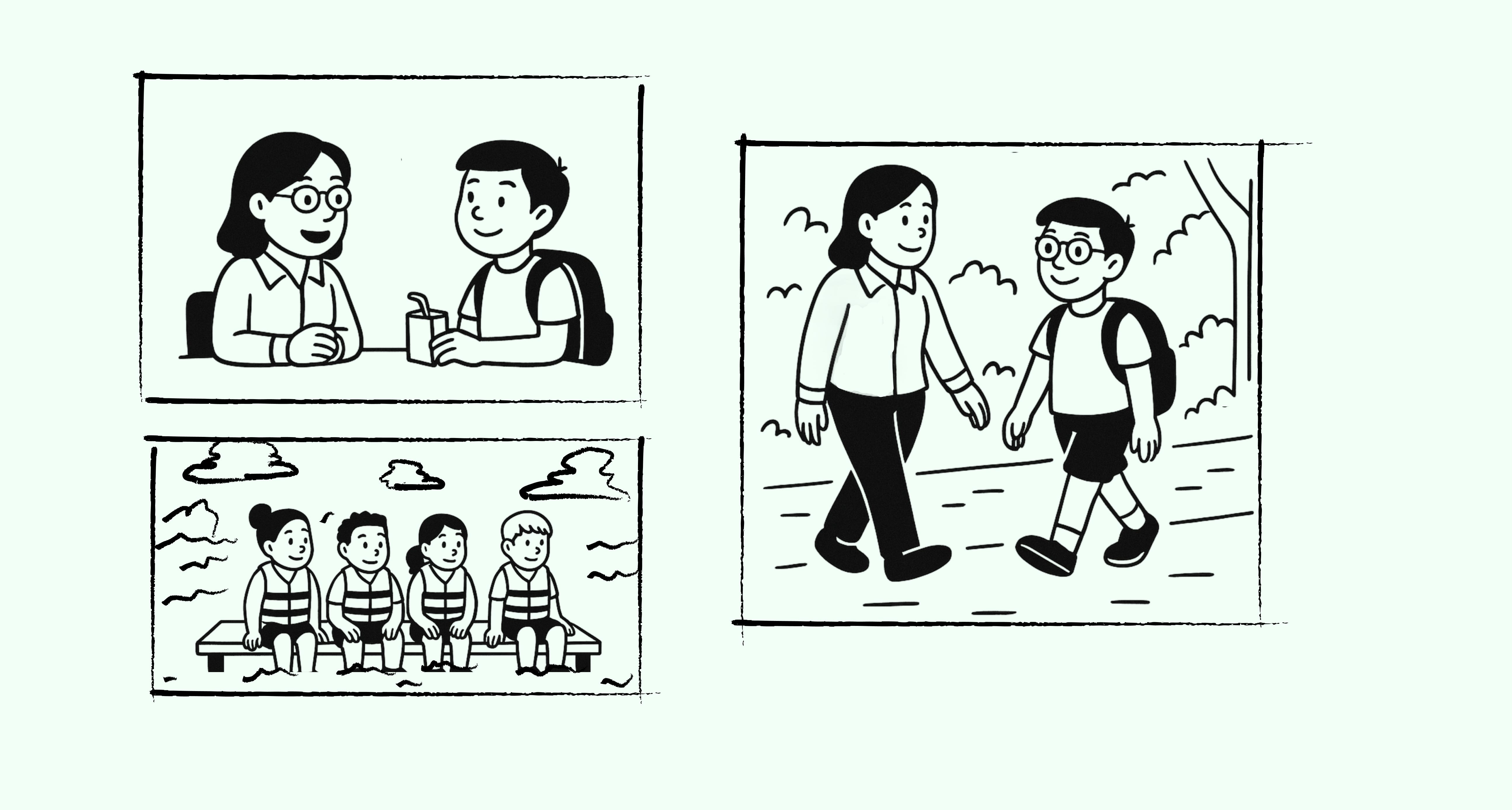
If we’re serious about whole-child support, the resource can’t exist only in a classroom filing cabinet. It has to ride the bus to swim practice, slip into a snack-room conversation, or tag along on a trail walk.
After-school staff see kids in moments when grades, cliques, or test anxiety fade and real questions surface. Equipping these mentors is the fastest way to deliver the right resource at the right time (even when that time is 4:12 p.m. and everyone’s wearing life vests).
Community programs rarely get the polished professional development or glossy binders districts can buy. They need something lighter — resources that flex to forty minutes between dismissal and pick-up, five campers in life jackets, or one teen glued to a phone.
Lenny’s prompt-based approach lets them create exactly that, on the fly and in their own voice.
How Lenny delivers just-in-time support anywhere
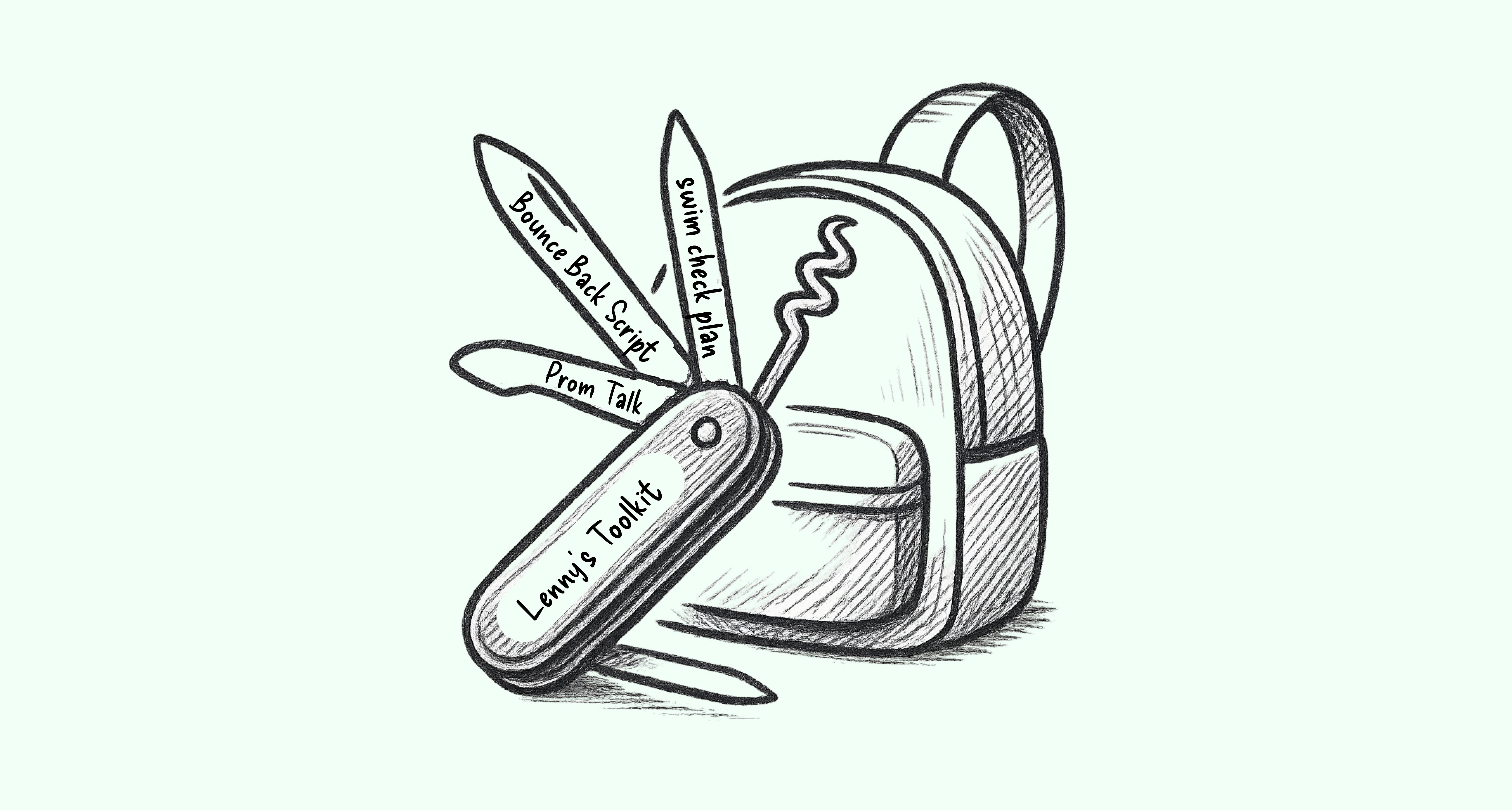
Because every plan in Lenny can be generated for a specific kid, setting, and goal, after-school educators use it like a Swiss Army knife:
A camp counselor builds a five-step routine for a child who panics during swim check.
A teen-program leader drafts a three-session series on healthy relationships before prom.
A sports director pulls a “bounce-back” script for players stuck replaying mistakes.
In other words, the place changes, but the need for timely, evidence-based support doesn’t.
Partnering with community hubs like YMCAs and Boys & Girls Clubs lets Lenny reach kids at the exact moments school can’t—turning our “right resource, right time” promise into everyday reality.
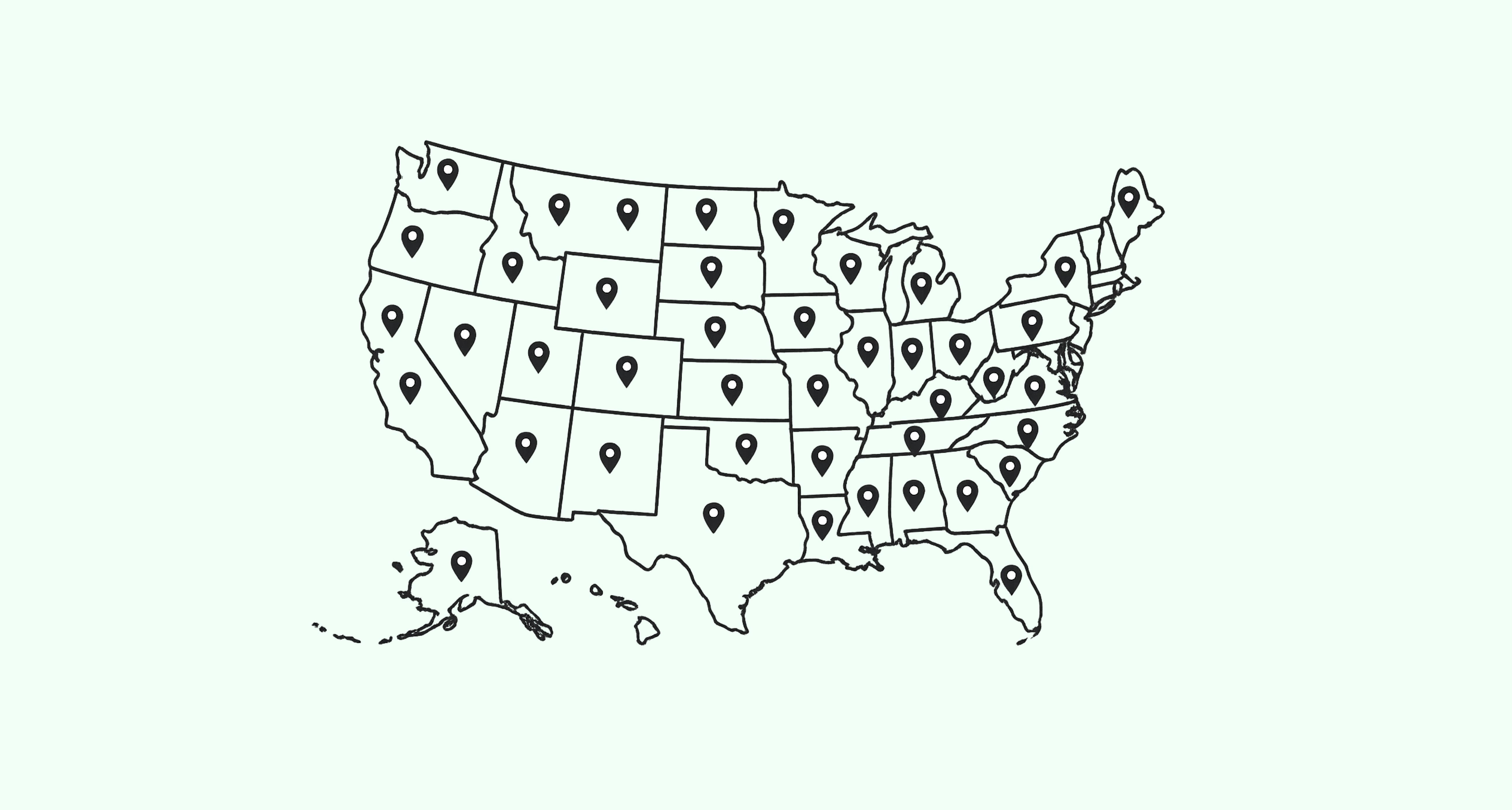
Lenny today: 700+ schools, active in all 50 states, and recognized by Forbes!
Lenny’s resources now travels well beyond school walls. More than 700 school sites—along with YMCAs, Boys & Girls Clubs, and other community programs in all 50 states—use the platform to tailor day-to-day supports for kids.
Last year, our team was featured in Forbes 30 under 30
Bryce and I were recognized under the 30 under 30 category for our work in social impact - you can read more about this here.
We’re grateful for the spotlight, but the real credit belongs to the counselors, teachers, and after-school mentors that work with Lenny to deliver change on the ground every single day.
And don’t forget our rockstar team members!
We are lucky to build these tools side-by-side with an energetic crew in our Brooklyn workspace, refining features every week based on what front-line educators tell us they need next.
Share this so Lenny can equip your community
Know someone running a summer camp, community clinic, or after-school program who could use quick, kid-specific resources?
Please forward this newsletter their way.